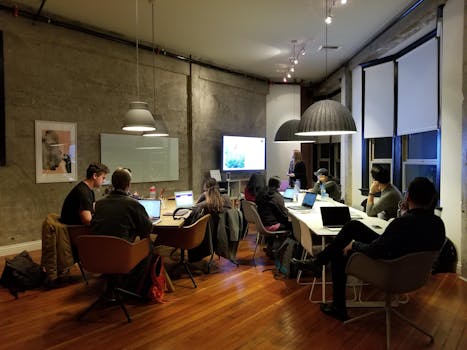

We’ve all been there. The sterile, beige box that’s supposed to foster brilliant ideas. Fluorescent lights hum a monotonous tune, chairs are ergonomically dubious at best, and the projector bulb seems to be perpetually flickering on its last leg. It’s a familiar scene, and frankly, a missed opportunity. In today’s dynamic work environment, the humble meeting room is far more than just a place to gather; it’s a critical node in the network of collaboration and innovation. Getting meeting room design ideas right isn’t just about aesthetics; it’s about engineering an environment that actively supports the very outcomes we seek.
Think about it: how much of your team’s valuable time is spent in these spaces? If the room actively hinders discussion, stifles creativity, or causes physical discomfort, those hours are, quite literally, costing you. It’s time to move past the utilitarian and embrace the strategic. Let’s explore some nuanced meeting room design ideas that prioritize function, form, and the human element.
The Ergonomic Imperative: Comfort as a Catalyst for Conversation
It might sound basic, but the physical comfort of your attendees can profoundly impact the quality of your meetings. When people are fidgeting, slouching, or battling a stiff neck, their cognitive load increases, leaving less mental bandwidth for active participation and idea generation.
Seating Strategy: Forget the one-size-fits-all approach. Consider a mix of seating options. Ergonomic chairs are a given, but what about a comfortable sofa for more informal brainstorming sessions, or even standing desks for those who prefer to stay active? The key is flexibility, allowing individuals to find a posture that suits them best for extended periods.
Table Design: The shape and height of your table matter. Round tables naturally encourage more equal participation, as everyone can see each other. Rectangular tables can be functional, but consider rounded edges to soften the feel and prevent accidental bumps. Adjustable height tables are a fantastic addition, catering to different preferences and even offering a dynamic element to longer meetings.
Acoustics and Lighting: These are often overlooked but are critical. Harsh, echoey rooms can make even the most eloquent speaker sound muddled. Invest in sound-dampening materials – perhaps acoustic panels that double as art, or even plush carpeting. For lighting, a mix of natural light, dimmable ambient lighting, and task lighting is ideal. Avoid the harsh glare of overhead fluorescents; opt for warmer, more natural hues.
Technology Integration: Seamless Flow, Not Frustration
The integration of technology in meeting rooms has evolved from simply having a projector. It’s about creating a seamless, intuitive experience that removes barriers rather than erecting them.
Intuitive Connectivity: Wireless screen sharing is no longer a luxury; it’s a necessity. Ensure your system is robust, easy to use, and compatible with a wide range of devices. A simple, one-click connection can save precious minutes and prevent the awkward fumbling with cables and adapters that can derail a meeting’s momentum.
Integrated Collaboration Tools: Think beyond just displaying content. Whiteboarding software, integrated video conferencing solutions, and interactive displays can transform a passive viewing experience into an active, collaborative one. These tools allow for real-time annotation, brainstorming, and remote participation, making the meeting space a true hub of interaction.
Cable Management and Power Access: This is a small detail with a big impact. Visible, tangled cables not only look messy but can be a tripping hazard. Recessed power outlets and USB charging ports should be readily accessible at the table, preventing devices from dying mid-discussion.
Fostering Atmosphere: The Psychology of Space
The environment in which we work has a profound psychological impact. Meeting room design ideas should consciously leverage this to create specific moods and encourage desired behaviors.
Color Psychology: While beige might be safe, it’s rarely inspiring. Consider color palettes that align with your company culture and the typical purpose of the room. Blues and greens can promote calm and focus, while warmer tones like oranges and yellows can spark creativity and energy. Even subtle accents can make a difference.
Biophilic Design Elements: Bringing the outdoors in isn’t just a trend; it’s a proven way to reduce stress and boost productivity. Incorporating plants, natural materials like wood, and views of greenery can significantly improve the atmosphere. Even a well-placed piece of nature-inspired art can contribute.
Flexibility and Adaptability: The modern workplace is fluid. Your meeting rooms should be too. Consider modular furniture that can be easily reconfigured for different group sizes and meeting formats – from formal presentations to informal huddles. Movable whiteboards, flexible seating arrangements, and adaptable lighting can all contribute to a versatile space.
The Little Details That Make a Big Difference
Beyond the major architectural and technological considerations, several smaller elements can significantly elevate the meeting room experience.
Refreshment Station: A dedicated, well-stocked area for coffee, tea, water, and perhaps even healthy snacks can make attendees feel more welcome and sustained throughout longer sessions. This simple amenity demonstrates thoughtfulness.
Clear Signage and Wayfinding: Especially in larger offices, clear and aesthetically pleasing signage for meeting rooms is essential. It reduces confusion and adds to the overall professional impression.
Temperature Control: Nothing derails a productive discussion faster than being too hot or too cold. Ensure the room has reliable and easily adjustable temperature controls.
Rethinking the “Brainstorming” Room
Many companies are now dedicated “brainstorming” or “collaboration” rooms. The design of these spaces should be markedly different from a traditional boardroom. Think softer seating, abundant whiteboard surfaces (including walls), and an atmosphere that encourages free-flowing ideas without the pressure of formal presentation. My experience suggests that these spaces, when designed thoughtfully, can become the true engines of innovation within an organization.
Conclusion: Investing in Your Collective Intelligence
Meeting room design ideas are not merely about filling a space; they are about investing in your team’s collective intelligence and productivity. By thoughtfully considering ergonomics, technology, atmosphere, and those crucial subtle details, you can transform a functional room into a dynamic environment that sparks creativity, fosters collaboration, and drives better outcomes. It’s time to look beyond the beige box and engineer spaces that truly empower your people.